Fuel Oil Nozzles

Fuel Oil Nozzles

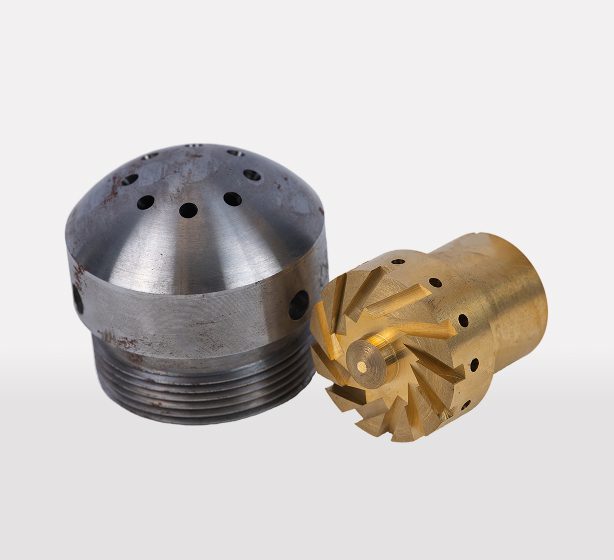
Our precision-engineered oil nozzles ensure optimal fuel atomization for maximum combustion efficiency and reliable boiler performance.

*These Liner Tiles are compatible with Cleaver-Brooks boilers.

Get a Quote

"*" indicates required fields

This field is for validation purposes and should be left unchanged.

In-stock items. Order by 3:00 PM EST for Same-Day Shipping.

*Halmar Corporation offers many Cleaver-Brooks aftermarket parts. Halmar Corporation is not a factory authorized sales representative for Cleaver-Brooks, nor is Halmar Corporation affiliated with Cleaver-Brooks in any way. Cleaver-Brooks is a registered trademark of Cleaver-Brooks, Inc., Thomasville, GA.

Some aftermarket parts may be made by other manufacturers.

Need help finding the right oil nozzle?

We carry a large inventory and if we don’t have what you need, we can help track it down for you.

Frequently Asked Questions About Oil Nozzles

The oil nozzle is a precision component responsible for atomizing fuel into a fine mist, which is vital for efficient, complete combustion. Over time, nozzles can become clogged with carbon deposits, experience erosion from fuel impurities, or suffer from wear that alters the spray pattern and flow rate. Even a slight deviation in the spray angle or droplet size can lead to significant combustion inefficiencies, increased fuel consumption, elevated emissions, and potential damage to boiler refractories. Regular inspection and timely replacement of your oil nozzles ensure that your burner maintains the correct air-to-fuel ratio for optimal heat output and long-term system reliability.

The frequency of nozzle inspection and replacement depends largely on your boiler’s duty cycle, fuel quality, and operational environment. As a general rule for industrial applications, oil nozzles should be inspected during every scheduled maintenance turnaround to check for signs of wear, erosion, or blockage. In environments with high-cycle usage or where fuel cleanliness varies, more frequent inspections are recommended. If you observe poor flame stability, evidence of smoke or soot on the boiler tubes, or a drop in combustion efficiency, the nozzle should be checked immediately and replaced if the precision tip is compromised, as attempting to clean a worn nozzle rarely restores it to original performance specifications.