
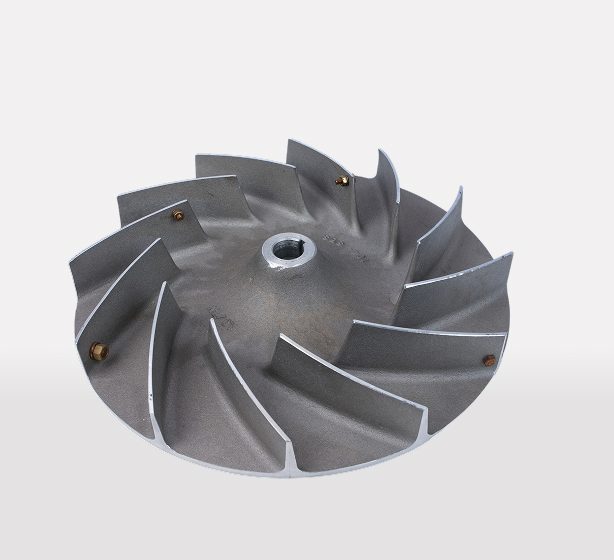
Cleaver-Brooks Compatible Impellers

Cleaver-Brooks Compatible Impellers

Our high-efficiency impellers ensure balanced, reliable airflow performance to maintain optimal boiler combustion and pressure.

*These Liner Tiles are compatible with Cleaver-Brooks boilers.

  • 192-43
    19-1/8" Diameter X 1.25" Bore
  • 192-46
    21" Diameter X 1.25" Bore
  • 192-76
    16" Diameter X 1.25" Bore
  • 192-171
    19" Diameter X 1.375" Bore
  • 192-172
    21" Diameter X 1.625" Bore
  • 192-176
    15-1/4" Diameter X .875" Bore
  • 192-272
    26-3/4" Diameter X 1.625" Bore

Get a Quote

"*" indicates required fields

This field is for validation purposes and should be left unchanged.

In-stock items. Order by 3:00 PM EST for Same-Day Shipping.

*Halmar Corporation offers many Cleaver-Brooks aftermarket parts. Halmar Corporation is not a factory authorized sales representative for Cleaver-Brooks, nor is Halmar Corporation affiliated with Cleaver-Brooks in any way. Cleaver-Brooks is a registered trademark of Cleaver-Brooks, Inc., Thomasville, GA.

Some aftermarket parts may be made by other manufacturers.

Need help finding the right impeller?

We h ave expert level staff ready to help you out!

Frequently Asked Questions About Impellers

The impeller is a rotating component within the burner’s blower assembly, designed to accelerate air and generate the necessary pressure to support combustion. By rotating at high speeds, the impeller draws air into the blower housing and pushes it into the burner throat, where it mixes with fuel. This precise control over airflow is vital for establishing stable, efficient flame patterns, ensuring that the boiler operates safely and achieves optimal thermal output. A well-designed impeller is essential for balanced airflow distribution across the entire combustion zone.

Impellers are subject to significant rotational forces and can sustain damage over time due to debris ingestion, corrosion, or material fatigue. You should inspect the impeller if you notice increased vibration during burner operation, unusual high-pitched whining or grinding noises, or a noticeable decrease in combustion efficiency despite proper tuning. Additionally, if the impeller blades show signs of physical damage, such as nicks, cracks, or heavy buildup of dirt and debris—which can throw the assembly out of balance—it is important to address the issue immediately. Operating a damaged or unbalanced impeller not only reduces combustion performance but can also lead to premature bearing failure or motor strain, potentially resulting in unplanned boiler downtime.